
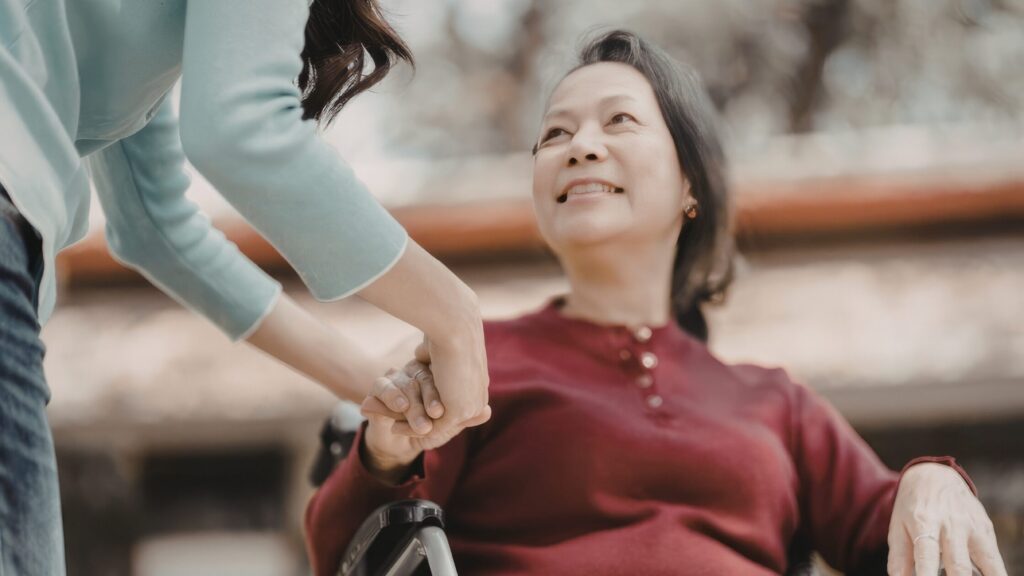
For many older adults, remaining at home is an important part of maintaining independence. But as we age, everyday personal care activities that once felt simple can gradually become more difficult.
Bathing, dressing, grooming, moving safely around the home, and completing other daily routines can require more strength, balance, flexibility, and energy than they once did.
These changes don’t automatically mean an older adult can no longer live independently.
In many cases, personal care for seniors in Eaton Rapids, MI can provide assistance with the specific activities that have become challenging while allowing an older adult to continue living in the comfort and familiarity of home.
For families, knowing what changes to look for can help determine when additional support may be beneficial.
What Is Personal Care for Seniors?
Personal care is in-home assistance with everyday activities that help an individual maintain their normal routine, comfort, and personal hygiene.
The amount of assistance someone needs can vary considerably.
One senior may only need occasional help with bathing or getting dressed. Another may benefit from more regular assistance with several daily activities.
Depending on an individual’s needs, personal care may include assistance with:
- Bathing and personal hygiene
- Grooming
- Dressing
- Toileting
- Mobility and movement around the home
- Everyday personal routines
- Other activities of daily living
The goal isn’t necessarily to do everything for an older adult.
Instead, personal care can provide assistance where it’s needed while allowing seniors to continue doing the activities they can safely manage themselves.
Why Can Personal Care Become More Difficult With Age?
Changes in personal care don’t always happen suddenly.
Often, families notice small changes over time.
Activities such as stepping into a shower, standing long enough to get ready, reaching to wash or groom, fastening clothing, or moving between rooms may require more effort than they did several years ago.
Changes in strength, balance, mobility, flexibility, vision, energy levels, or overall health can all affect everyday routines.
That’s why it’s helpful to focus not only on whether your loved one can complete an activity, but also on how difficult or tiring that activity has become.
7 Signs an Aging Loved One May Need Personal Care Assistance
Every senior is different, and one change doesn’t necessarily mean someone needs professional care.
However, several changes occurring together may indicate that additional assistance could make everyday life easier.
1. Bathing Has Become Difficult
The bathroom can be one of the more challenging areas of the home for someone experiencing changes in balance or mobility.
You may notice that your loved one:
- Bathes less frequently
- Avoids getting into the shower or bathtub
- Has difficulty standing while bathing
- Seems worried about slipping
- Struggles getting into or out of the bathing area
- Needs significantly more time to complete their routine
If bathing has become physically difficult, having appropriate assistance can help an older adult maintain their personal hygiene without unnecessarily struggling through the task alone.
2. They’re Wearing the Same Clothes Frequently
Wearing the same outfit repeatedly isn’t always a cause for concern.
But if it’s unusual for your loved one, it may be worth asking why.
Getting dressed can become more difficult when someone has trouble bending, reaching, balancing, or manipulating buttons, zippers, shoes, and other clothing.
Your loved one may simply be choosing whatever clothing is easiest to put on.
Personal care assistance can help make dressing easier while still allowing the senior to make their own choices about what they want to wear.
3. Grooming Habits Have Changed
Changes in appearance can sometimes provide clues that normal routines are becoming more difficult.
You may notice changes in:
- Hair care
- Shaving
- Oral hygiene
- Skin care
- Getting ready for the day
- Other normal grooming habits
Rather than assuming your loved one has simply lost interest, ask whether any part of their routine has become physically difficult or tiring.
4. Moving Around the Home Requires More Effort
Personal care and mobility often overlap.
A senior may be able to complete a particular task once they reach the bathroom or bedroom but struggle with getting there safely.
Watch for changes such as:
- Holding onto furniture while walking
- Difficulty standing from a chair
- Moving significantly more slowly
- Avoiding certain areas of the home
- Difficulty navigating stairs
- Appearing unsteady
- Needing more support during everyday movement
Changes in mobility should be discussed with an appropriate healthcare professional when necessary.
Families can also consider whether additional assistance at home would make daily routines easier to manage.
5. Everyday Routines Are Taking Much Longer
Sometimes the clearest sign isn’t that a task has stopped completely.
It’s that everything takes considerably longer.
Getting out of bed, bathing, dressing, preparing for the day, or completing an evening routine may become increasingly tiring.
If your loved one is spending a large portion of their energy simply getting through basic daily activities, some assistance may help conserve energy for other things they enjoy.
6. Family Members Are Providing More Hands-On Help
Think about how your family’s involvement has changed over the past year.
Have you gradually started helping your parent get dressed?
Are you visiting more often to help with bathing or household routines?
Does someone need to be present in the morning or evening?
Family members often become caregivers gradually without realizing how much responsibility they’ve taken on.
If personal care needs are increasing, professional in-home care in Eaton Rapids can supplement the assistance family members are already providing.
7. Your Loved One Is Avoiding Activities Because Getting Ready Is Too Difficult
Sometimes personal care challenges affect more than hygiene.
An older adult may stop attending church, visiting friends, going to appointments, or participating in activities because getting dressed and ready to leave the house has become exhausting.
If someone who was previously active is staying home more frequently, ask what has changed.
A little help with their normal routine may make participating in other parts of life feel more manageable.
Personal Care Can Support Independence at Home
Families sometimes worry that bringing in a caregiver will make an older loved one less independent.
The opposite can often be true.
Independence doesn’t have to mean completing every activity without assistance.
It can mean continuing to make choices, maintain familiar routines, and live in the home you know while receiving help with the activities that have become more challenging.
For example, an older adult may still choose their clothing, prepare part of their breakfast, enjoy hobbies, and manage many parts of their day independently while receiving assistance with bathing or dressing.
The right level of support should be based on the individual.
How to Talk to a Parent About Personal Care
Conversations about bathing, dressing, toileting, or other personal activities can feel uncomfortable for both seniors and their families.
Approach the subject respectfully.
Rather than focusing on everything your loved one is struggling to do, try asking what would make their routine easier.
Questions might include:
Is getting ready in the morning becoming tiring?
Are there any parts of bathing or dressing that have become difficult?
Is there anything you wish you had a little help with?
Giving your loved one an opportunity to explain their experience can make the conversation feel more collaborative.
Whenever possible, include them in decisions about what kind of assistance they receive and when.
Personal Care vs. Companion Care: What’s the Difference?
Families exploring home care sometimes wonder whether they need personal care or companion care.
The services can overlap, but they generally address different needs.
Companion care focuses more heavily on social interaction and assistance with everyday household routines.
Personal care includes more hands-on assistance with activities such as bathing, grooming, dressing, toileting, and other activities of daily living.
Some seniors may benefit from both.
For example, a caregiver might provide assistance with getting ready in the morning and then help with meal preparation or provide companionship later in the visit.
The appropriate combination depends on the person’s individual needs.
When Should Families Consider In-Home Personal Care?
There isn’t one specific age or event that determines when someone needs personal care.
Instead, pay attention to changes in everyday life.
It may be time to explore additional support if your loved one is:
- Struggling with bathing or grooming
- Having difficulty getting dressed
- Becoming less steady while completing daily routines
- Avoiding certain personal care activities
- Requiring increasing assistance from family
- Becoming exhausted by basic daily tasks
- Having difficulty maintaining their usual routine
Families don’t have to wait until these challenges become a crisis.
Exploring care options early gives everyone more time to understand what kind of support would be most helpful.
Start With an In-Home Care Assessment
If you’re unsure how much help your loved one needs, an in-home care assessment can be a useful starting point.
An assessment gives families an opportunity to discuss the senior’s current routine, areas where assistance may be needed, personal preferences, and other considerations that may affect care.
It can also help determine whether support is needed occasionally or as part of a more regular schedule.
Every family is different, which is why home care should be tailored to the individual rather than approached as a one-size-fits-all service.
Personal Care for Seniors in Eaton Rapids, Michigan
Needing help with personal care doesn’t necessarily mean giving up the independence of living at home.
Loving Hands Homecare Agency provides personal care and in-home care for seniors in Eaton Rapids, Michigan and surrounding communities, helping older adults receive assistance with everyday activities while remaining in familiar surroundings.
Our caregivers can provide support with personal care, bathing, grooming, dressing, mobility, meal preparation, light housekeeping, companionship, and other daily routines based on each client’s needs.
Whether you’ve recently noticed changes in an aging parent’s routine or your family has been providing more hands-on care, we’re here to help you explore your options.
Check Out Our Recent Posts
- How to Choose a Home Care Agency in Eaton Rapids, Michigan: 10 Questions to Ask
- Medication Reminders for Seniors in Eaton Rapids, MI: Supporting Safer Daily Routines
- Personal Care for Seniors in Eaton Rapids, MI: When Is Extra Help at Home Needed?
- Healthcare & Caregiver Jobs in Eaton Rapids, MI | Join the Loving Hands Homecare Team
- Summer Safety Tips for Seniors in Eaton Rapids, MI: Staying Healthy During Michigan’s Warmest Months


